
Magnesium Glycinate Wholesale Why Private Label Supplements UK Brands Choose a Trusted Supplement Factory

The supplement market is crowded, but some ingredients keep earning attention for practical reasons. Magnesium glycinate is one of them.
For brands, the appeal is clear. Magnesium is a familiar mineral, glycinate is a well-regarded form, and the product can fit neatly into everyday wellness ranges. But a good finished supplement is not built on ingredient choice alone. It depends on raw material quality, manufacturing standards, label accuracy, packaging, testing and consistency from batch to batch.
That is why Magnesium Glycinate wholesale decisions should not start and end with price. The right manufacturing partner can help turn a simple mineral product into a reliable, compliant and shelf-ready supplement.

Why magnesium glycinate is popular in supplement ranges
Magnesium appears in many supplement products because it is a recognised essential mineral. It is commonly used in products aimed at general wellbeing, active lifestyles, sleep support ranges and muscle function ranges, depending on the claims a brand can legally and responsibly make.
Magnesium glycinate is often chosen because it combines magnesium with glycine. Many brands prefer it for premium mineral products, particularly where the goal is to create a clean, simple supplement with strong consumer appeal.
For UK brands, that creates a useful product opportunity. Magnesium glycinate can work as:
A standalone capsule or tablet
A powder blend
Part of a sleep or relaxation range
A mineral complex
A sports nutrition support product
A vegan-friendly supplement, depending on the capsule and excipient choices
The product also suits brands that want a straightforward label. A simple magnesium glycinate capsule with clear dosage information can often be easier for customers to understand than a complex multi-ingredient blend.
This article is for general information only and is not medical or regulatory advice. Health claims, dosage guidance and label wording should always be checked against current UK requirements before launch.
Wholesale sourcing is about more than bulk buying
Wholesale buying often sounds simple. Order a large quantity, reduce the unit cost, and prepare for sale. In supplements, it is more detailed than that.
Raw material quality has a direct effect on the finished product. With magnesium glycinate, brands should look closely at the exact source, the specification, the magnesium content, the test documents and the manufacturing process used to create the final format.
A lower-cost option may look attractive at first, but it can create problems later if the product is difficult to encapsulate, inconsistent between batches, or missing the documents needed for due diligence.
A stronger wholesale approach looks at the full chain:
What to check | Why it matters |
Raw material specification | Confirms the ingredient identity, grade and composition |
Certificate of analysis | Shows batch-level test information |
Heavy metal testing | Supports product safety and quality checks |
Allergen status | Helps with label accuracy and customer trust |
Capsule or powder suitability | Affects production performance and final customer experience |
Shelf-life expectations | Helps brands plan stock, storage and repeat orders |
These checks are not glamorous, but they protect the product. They also help avoid delays when a retailer, marketplace or internal quality process requests supporting documentation.
Why the supplement factory matters
A finished product is only as good as the process behind it. For brands searching for Private label supplements UK options, choosing the right supplement factory can shape everything from formula quality to launch timelines.
A trusted manufacturing partner should understand more than filling capsules. The team should know how to handle ingredients, manage batch records, control contamination risk, and support accurate labelling.
A good factory should be able to explain:
How raw materials are checked on arrival
How batches are weighed, blended and recorded
What quality checks happen during production
How finished products are packed and labelled
What documentation is supplied after manufacture
This matters because mineral supplements can be deceptively simple. A magnesium capsule may have only a few ingredients, but each step still needs control. Blend uniformity, capsule fill weight, packaging choice and batch traceability all affect the final product.

What private label brands should decide before production
Private label manufacturing works best when the brand has a clear product direction before production begins. The manufacturer can guide technical details, but the commercial choices still need to be made early.
Choose the product format
Capsules are a common choice for magnesium glycinate because they are familiar, portable and easy to add to an existing supplement range. Tablets may suit some brands, but they often need more development work. Powders can work well for larger serving sizes, though flavour and texture become more important.
The best format depends on the brand position, the serving size, and the customer experience you want to create.
Confirm the target customer experience
A mineral supplement should feel easy to use. That means the serving instructions, capsule count, pack size and label wording should all make sense together.
For example, a product that asks customers to take several capsules per day may need a larger pouch or bottle. A product designed for evening routines may benefit from calm, clear packaging language, as long as the claims remain compliant.
Keep the formula focused
A simple product can be very effective from a brand point of view. Magnesium glycinate does not always need a long list of added ingredients.
Extra ingredients can raise costs, complicate labelling and increase the chance of formulation issues. If the goal is a clean mineral supplement, a focused formula may be the stronger choice.
Think about packaging early
Packaging is not just a design decision. It affects cost, shelf life, storage, transport and customer perception.
Common options include:
Bottles
Pouches
Tubs
Sachets for powders
The right choice depends on the product format, order size, sustainability goals and retail channel. A supplement manufacturer can advise on what works well during filling and packing.
Quality documents are part of the product
Customers may never see a certificate of analysis, but quality documents still matter. They support the product behind the scenes and can help a brand answer questions from retailers, marketplaces and internal teams.
For a magnesium glycinate product, useful documents may include:
Finished product specification
Raw material specification
Batch manufacturing record
Certificate of analysis
Allergen statement
GMO statement, where relevant
Vegan or vegetarian suitability information, where relevant
Shelf-life information
Stability or packaging guidance, where available
The exact documents will vary by product and manufacturer. What matters is that the factory has a clear process and can provide the right paperwork for each batch.
This is one of the biggest differences between simple bulk buying and serious private label manufacturing. The finished product needs to stand up to checks, not just look good on a product page.
Compliance should be built in from the start
UK supplement brands need to treat compliance as part of product development, not something to fix at the end.
Labels should be clear, truthful and suitable for the market. Ingredient names, nutrition information, directions for use, warnings, allergen details and permitted claims all need proper review.
With magnesium products, brands should take care around wellbeing language. General descriptions may be acceptable, but medicinal claims should be avoided unless the product has the right authorisation. A supplement cannot claim to treat, cure or prevent disease.
The safest route is to work with a manufacturer that understands supplement labelling and can flag common issues before print.
Good compliance habits include:
Checking claims before packaging is designed
Keeping dosage information clear
Avoiding exaggerated promises
Matching the label to the finished formula
Keeping batch records and specifications organised
Reviewing marketplace requirements before listing
A trusted manufacturer will not replace legal advice, but they can reduce avoidable mistakes.
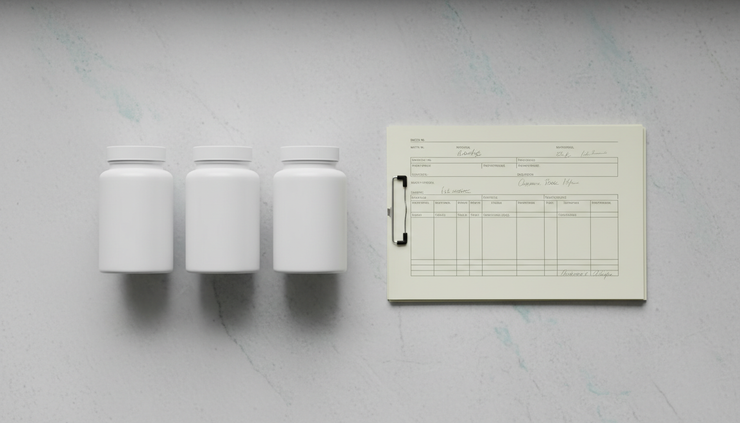
What to ask before choosing a manufacturing partner
The right questions can reveal a lot about a potential supplier. If the answers are vague, rushed or inconsistent, that may be a warning sign.
Before placing an order, ask:
What experience do you have with magnesium glycinate products?
Can you support capsules, powders or other formats?
What minimum order quantities apply?
What quality checks are carried out?
Which documents are provided after production?
Can you help with label review and packaging selection?
How are allergens managed in the facility?
What are typical production lead times?
How are batch numbers and traceability handled?
What happens if raw material availability changes?
A reliable factory should be comfortable answering practical questions. The goal is not to make the process complicated. The goal is to avoid surprises once money, packaging and launch dates are involved.
How wholesale supply supports brand growth
A strong wholesale and manufacturing setup gives a brand room to grow. Once the first batch performs well, the next challenge is repeatability.
Repeat orders should match the original product as closely as possible. Customers expect the same capsule appearance, serving size, pack count and experience each time they buy.
This is where a professional manufacturing process becomes valuable. Consistent records and tested materials make it easier to repeat a successful product.
A scalable wholesale plan should cover:
Raw material availability
Repeat production planning
Packaging stock
Batch coding
Forecasting for seasonal demand
Storage conditions
Reorder timings
Magnesium supplements often sit within daily wellness routines, so running out of stock can damage customer loyalty. Brands that plan ahead can avoid rushed production and higher short-notice costs.
Common product routes for magnesium glycinate wholesale
There is no single best way to launch a magnesium glycinate supplement. The right route depends on the brand, budget and customer base.
A simple capsule product
This is often the most practical starting point. It is easy to explain, easy to pack and familiar to customers. The brand can focus on ingredient quality, capsule type and clear labelling.
A premium mineral complex
Magnesium glycinate can be combined with other minerals or vitamins where the formulation makes sense. This route needs more technical input because ingredient interactions, dosage levels and claims must all be checked carefully.
A powder blend
Powders can allow more flexibility with serving size. They may suit customers who prefer not to take capsules. The challenge is taste, texture and mixability, especially if the formula contains other active ingredients.
A routine-based product
Some brands position magnesium glycinate within a wider routine, such as evening wellness or active recovery. This can work well, but the label and marketing language must stay within accepted supplement rules.
Price matters, but value matters more
Every brand has a budget. Unit cost matters, especially when working with wholesale quantities. But the cheapest product is not always the best commercial option.
A slightly higher manufacturing cost may be worthwhile if it gives the brand:
Better documentation
More consistent production
Clearer communication
Suitable packaging support
Fewer delays
Greater confidence in repeat orders
The final shelf price depends on more than manufacturing. Packaging, fulfilment, marketplace fees, retailer margins and promotional activity all affect profit. Cutting corners at production stage may save money at first, but it can create expensive problems later.
A better question is not simply, “What is the lowest price?” It is, “What level of quality, service and support does this price include?”

Building a magnesium glycinate product that lasts
Magnesium glycinate is a strong choice for brands that want a clear, recognisable and practical mineral supplement. It can sit comfortably in a private label range, whether the product is built around daily wellness, active living or simple mineral support.
The best results come from treating the product as more than a commodity. Ingredient quality, manufacturing standards, documentation, packaging and compliance all shape the final offer.
A trusted supplement manufacturing partner can help turn a good product idea into a finished supplement that is consistent, traceable and ready for sale nationwide. For brands planning a new magnesium product, that foundation is worth getting right before the first batch is made.
